Fish Feed Pellet Making Machine: Choosing Pelleting Duty Without Confusing It with Extrusion
Select a fish feed pellet making machine by defining the specified pellet condition, handling integrity…



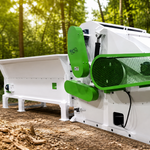
Select a fish feed pellet making machine by defining the specified pellet condition, handling integrity…
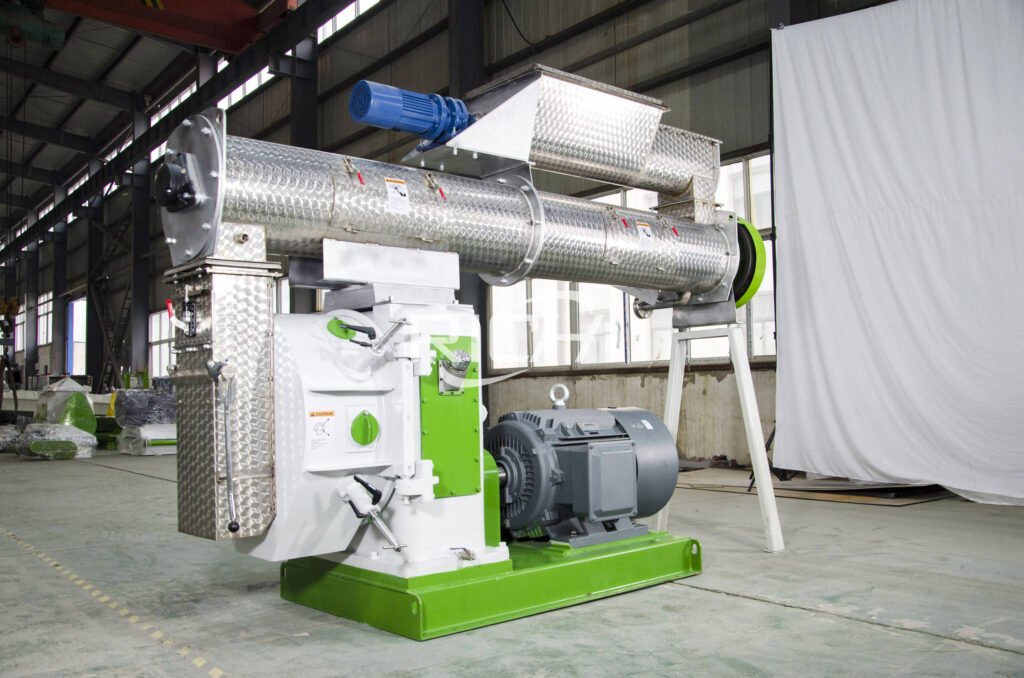
Maintenance readiness should be established before a feed pellet press begins its first production campaign….

Commercial aquaculture feed production requires consistency. Customers expect feed to maintain stable physical characteristics from…
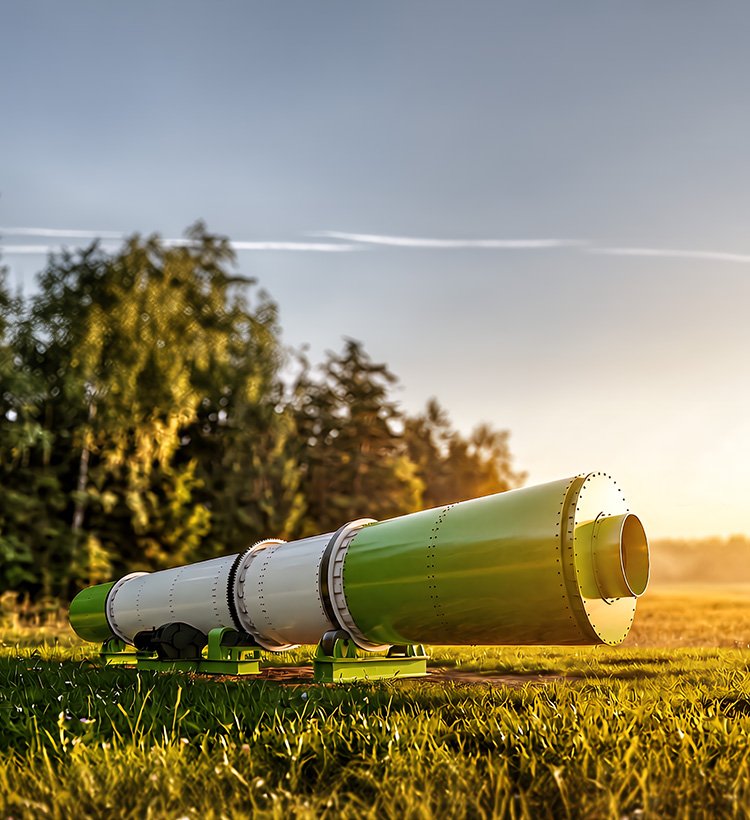
Wood drying is one of the most important processes in biomass processing. Sawdust, wood chips,…
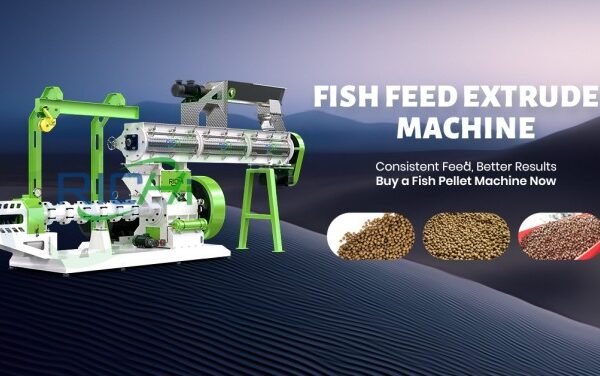
Select a fish feed pellet making machine by defining the specified pellet condition, handling integrity and water-related behavior and the actual condition of the proposed aquatic feed formulation and prepared ingredients before comparing equipment offers. The decision should connect raw material, throughput, utilities and operating conditions to measurable acceptance criteria. This guide explains the technical…
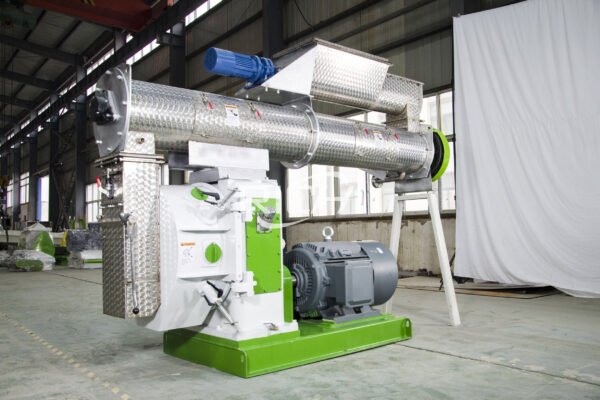
Maintenance readiness should be established before a feed pellet press begins its first production campaign. A plant may have a complete equipment installation but still lack an identified replacement component, an approved lubricant, a practical access arrangement, or a clear response when the machine stops unexpectedly. These gaps are easier to resolve while the commissioning…

Commercial aquaculture feed production requires consistency. Customers expect feed to maintain stable physical characteristics from one batch to another, while the manufacturer needs equipment that can operate reliably for extended production schedules. A properly selected shrimp feed pellet machine is therefore an important part of a commercial feed manufacturing strategy. From Small Production to Commercial Manufacturing…
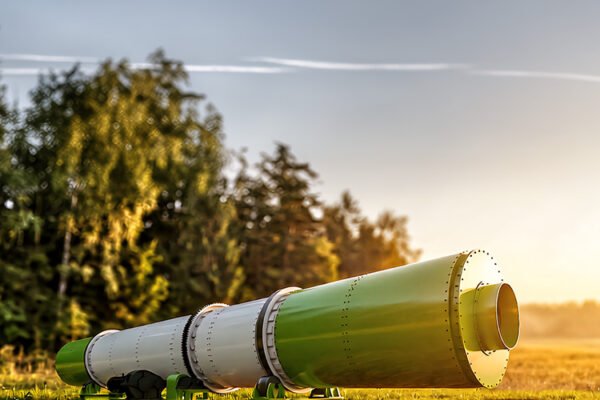
Wood drying is one of the most important processes in biomass processing. Sawdust, wood chips, wood shavings, bark, and other wood residues often contain a significant amount of moisture when they enter a biomass processing plant. If the moisture content is too high, the material can be difficult to grind, pelletize, transport, and store. Efficient…
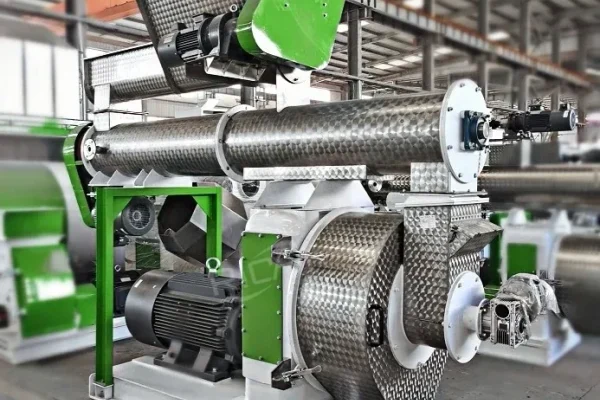
Goat farming has a cost problem that few people talk about. Feed. In many regions, goat farmers buy commercial feed at prices that leave little margin. The feed is convenient, consistent, and available. But it is also expensive, and the cost keeps rising. For small farms with 50 to 300 animals, feed can account for…
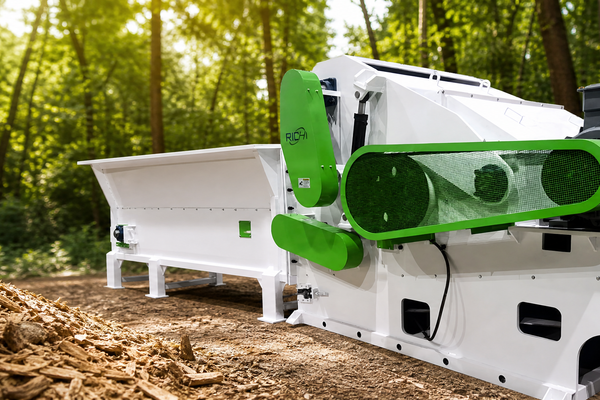
Waste wooden pallets are widely generated by warehouses, logistics companies, factories, and distribution centers. Once damaged or no longer needed, these pallets can become a difficult waste stream to handle. When the wood is suitable for recycling, a properly designed processing system can reduce the pallets into smaller particles for use as biomass fuel or…
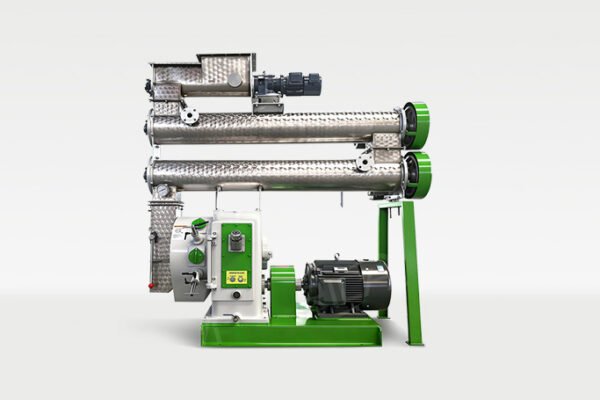
Why Are Cattle Feed Pellets Becoming More Popular? Cattle feed is often made from a mixture of grains, forage, protein sources, minerals, and other nutritional ingredients. Traditionally, many farms have relied on loose feed or separately prepared ingredients. However, pelleting has become increasingly common because it can make feed easier to handle, store, transport, and…
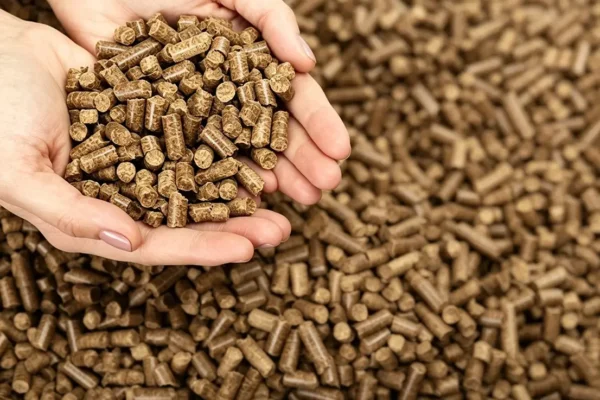
Straw pelletizing is an effective way to convert agricultural residues into a denser and easier-to-handle biomass product. Wheat straw, rice straw, corn stalks, barley straw, oat straw, sorghum stalks, and other crop residues can be processed into pellets for biomass fuel and other applications. However, building an efficient straw pelletizing system requires much more than…

As feed production grows, manual operation becomes increasingly difficult to manage. Operators may need to control material feeding, grinding, mixing, conditioning, pelletizing, cooling, screening, and packaging at the same time. Automation can help coordinate these stages and create a more stable production process. An automatic animal feed pellet machine does not simply mean that the…

Choosing what types of pellets a new factory should produce is a business and engineering decision at the same time. The product must have a real market, the raw materials must be available at a workable cost, the process must be technically suitable, and the plant must be able to produce the required quality consistently….